In a world filled with fad diets, extreme calorie restrictions, and conflicting nutritional advice, achieving a healthy weight while maintaining vibrant daily energy can feel confusing and exhausting. Many popular dietary trends promise rapid results through severe deprivation, only to leave individuals feeling tired, irritable, and ultimately trapped in a cycle of weight regain. Long-term health, steady metabolic function, and consistent energy levels do not come from short-term restrictions. Instead, they stem from adopting sustainable, smart eating habits that nourish your body properly.
Food is far more than just raw calories to be managed; it serves as complex chemical signaling that dictates hormone balance, cellular repair, cognitive focus, and metabolic health. By learning how to build balanced meals, stabilize blood sugar levels, practice mindful eating, and maintain proper hydration, you can transform your relationship with food. Developing a supportive approach to daily nutrition allows you to manage your weight naturally while enjoying sustained physical vitality throughout the day.
The Science of Blood Sugar Balance and Sustained Energy
One of the primary drivers of afternoon fatigue, intense food cravings, and unexpected weight gain is volatile blood sugar fluctuation. When you consume meals high in refined carbohydrates, sugar, or processed foods without adequate protein or fiber, your blood glucose levels spike rapidly. In response, your pancreas secretes a surge of insulin to transport that excess sugar out of the bloodstream and into your cells.
This rapid insulin response frequently leads to a blood sugar crash, commonly experienced as brain fog, physical fatigue, irritability, and sudden hunger for more quick-acting carbohydrates. Over time, chronic blood sugar spikes and elevated insulin levels encourage the body to store energy as visceral fat while making it difficult to access stored body fat for fuel.
Establishing blood sugar balance requires pairing carbohydrates with high-quality protein, healthy dietary fats, and soluble fiber during every meal. Protein, fat, and fiber slow down digestion and decelerate the rate at which glucose enters the bloodstream. This steady release of energy prevents drastic insulin spikes, keeps you feeling full for extended periods, and eliminates the dramatic energy dips that disrupt your productivity.
Essential Components of a Nutrient-Dense Plate
Constructing a balanced plate does not require meticulous calorie counting or weighing every gram of food. Instead, utilizing a simple visual framework ensures your body receives the exact macronutrients and micronutrients required for optimal metabolic function.
-
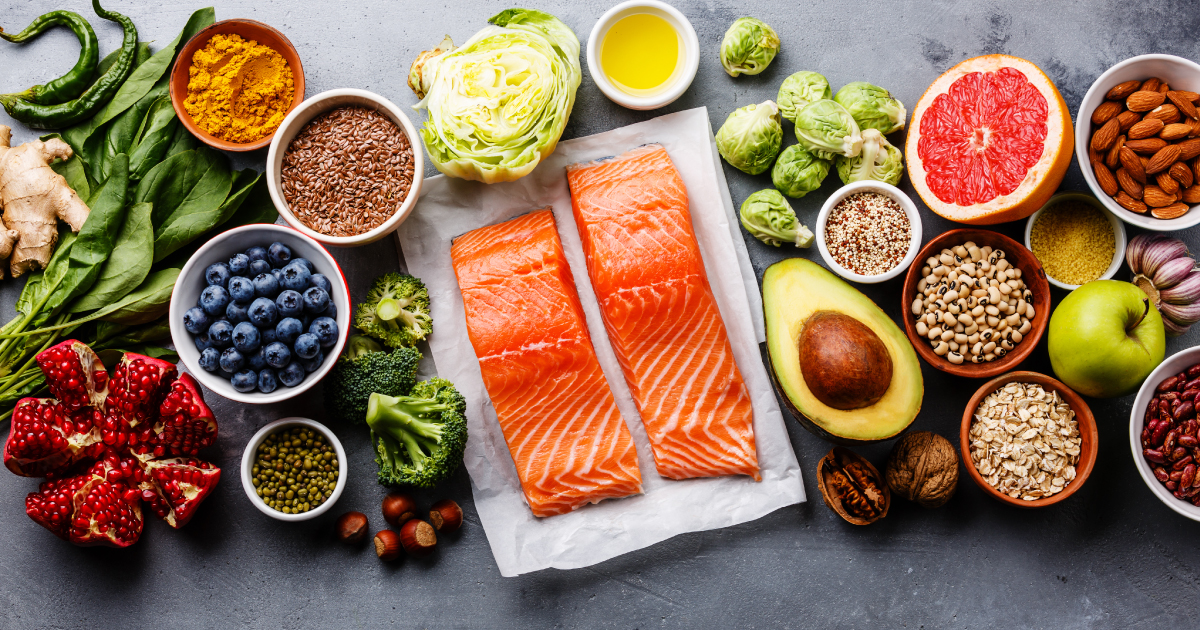
High-Quality Lean Proteins: Protein provides the essential amino acids needed for muscle preservation, immune function, and neurotransmitter production. It is also the most satiating macronutrient. Incorporating sources like wild-caught fish, pasture-raised poultry, eggs, tofu, lentils, and grass-fed meats elevates satiety hormones and prevents overeating.
-
Fiber-Rich Complex Carbohydrates: Swap refined white flour products for intact, whole-grain sources like quinoa, wild rice, oats, sweet potatoes, and legumes. Complex carbohydrates contain fiber matrixes that slow nutrient absorption and nourish beneficial gut bacteria.
-
Healthy Functional Fats: Dietary fat is essential for hormone production, brain health, and the absorption of fat-soluble vitamins A, D, E, and K. Include nutrient-dense fat sources such as extra virgin olive oil, avocados, nuts, seeds, and wild salmon.
-
Non-Starchy Vegetables: Fill half your plate with colorful vegetables like spinach, kale, broccoli, cauliflower, bell peppers, and asparagus. Non-starchy vegetables provide vital phytonutrients, vitamins, and bulk without adding excessive energy density.
Prioritizing these whole-food components creates a satisfying, nutrient-dense eating pattern that naturally regulates appetite and supports long-term metabolic health.
The Hidden Impact of Mindful Eating and Digestion
How you eat is often just as important as what you eat. In today’s fast-paced environment, many people consume meals while staring at computer screens, scrolling through smartphones, or driving in traffic. Distracted and rushed eating suppresses proper digestive mechanics and disrupts natural satiety signaling.
Digestion begins in the brain. When you look at, smell, and anticipate food, your autonomic nervous system signals your salivary glands, stomach, and pancreas to release digestive enzymes. Eating in a stressed or rushed state triggers a sympathetic fight-or-flight response, which slows gastric motility, reduces enzyme secretion, and leads to bloating, indigestion, and poor nutrient absorption.
Furthermore, it takes approximately twenty minutes for satiety hormones like peptide YY and cholecystokinin to travel from your gastrointestinal tract to your brain, signaling that you are full. Chewing your food thoroughly, sitting down in a relaxed environment without screens, and taking deliberate pauses between bites gives your brain the time required to register fullness, preventing unintentional overeating.
Hydration: The Forgotten Key to Energy and Metabolism
Dehydration is a frequently overlooked cause of low energy, sluggish cognitive function, and false hunger signals. The brain often misinterprets mild thirst as food cravings, prompting individuals to snack when their bodies simply require fluid replacement.
Every metabolic reaction inside your body, including the breakdown of stored body fat for energy and the production of cellular adenosine triphosphate, requires water. Even a mild drop of one to two percent in baseline hydration can lead to noticeable fatigue, decreased concentration, physical weakness, and headaches.
To optimize hydration, aim to drink water consistently throughout the day rather than chugging large quantities all at once. Adding a squeeze of fresh lemon juice or a small pinch of unrefined sea salt to your morning water can enhance mineral absorption and cellular hydration.
Strategic Meal Timing and Circadian Rhythms
Your body operates on an internal biological clock known as the circadian rhythm, which regulates sleep cycles, hormone secretion, body temperature, and metabolic efficiency. Emerging research in chrononutrition demonstrates that your body processes nutrients differently depending on the time of day.
Insulin sensitivity and digestive capacity are naturally higher during the morning and early afternoon hours. As daylight fades and your body prepares for rest, insulin sensitivity decreases, and digestive processes slow down. Consuming large, heavy meals late at night can disrupt your sleep architecture, impair night-time fat oxidation, and lead to waking up feeling sluggish and bloated.
Aligning your meal timing with your natural circadian rhythm supports digestive efficiency. Aim to eat a substantial, protein-rich breakfast to kickstart your day, enjoy a balanced lunch, and consume a lighter dinner at least two to three hours before bedtime. Additionally, allowing a twelve-hour overnight fasting window between dinner and breakfast gives your digestive system essential time to repair and rest.
Long-Term Benefits of Sustainable Eating Habits
Transitioning away from restrictive diets toward smart, sustainable eating habits yields compounding benefits that transform your health over time.
| Health Domain | Short-Term Restricted Diet | Smart, Sustainable Eating Habits |
| Energy Levels | Volatile spikes followed by extreme crashes | Steady, reliable mental and physical energy |
| Metabolic Health | Suppressed metabolic rate and muscle loss | Preserved lean muscle mass and active metabolism |
| Psychological State | Guilt, food fixation, and anxiety | Peace of mind, flexibility, and dietary enjoyment |
| Weight Maintenance | Frequent weight regain cycles | Stable, effortless long-term weight management |
Adopting a practical, nourishing approach to nutrition eliminates the stress of extreme diets while building a foundation for lifelong health, metabolic resilience, and high daily vitality.
Frequently Asked Questions (FAQ)
How many meals should I eat per day to maintain steady energy?
The ideal meal frequency varies based on individual activity levels and metabolic health. However, most individuals thrive on three balanced meals per day, spaced four to five hours apart. This spacing allows blood sugar levels to return to baseline and gives the digestive system time to clear food remnants between meals.
Why do I experience intense sugar cravings in the afternoon?
Afternoon sugar cravings are usually caused by a blood sugar crash resulting from a high-carbohydrate, low-protein breakfast or lunch. Skipping meals or failing to drink enough water throughout the morning can also trigger stress hormones that drive quick-energy sugar cravings.
Are all dietary fats bad for weight management?
No, healthy dietary fats like those found in extra virgin olive oil, avocados, nuts, seeds, and wild-caught fish are essential for health. While fat is energy-dense, it promotes satiety, slows glucose absorption, and supports hormone production. The fats to avoid are artificial trans fats and highly refined industrial seed oils.
How can I stop emotional eating when stressed or bored?
Overcoming emotional eating begins with developing awareness. When you feel a sudden urge to eat, pause and ask yourself if you are experiencing physical hunger or emotional discomfort. If physical hunger signs are absent, substitute food with alternative stress-relieving activities like taking a short walk, practicing deep breathing, or calling a friend.
Is skipping breakfast beneficial for healthy weight management?
Skipping breakfast, often practiced as intermittent fasting, works well for some individuals, but it is not universally beneficial. If skipping breakfast leads to low morning energy, poor concentration, or binge eating at lunch, eating a nutrient-dense, protein-focused morning meal is a far better strategy.
How much protein should I consume at each meal?
A practical guideline for most active adults is to aim for twenty-five to forty grams of high-quality protein per meal. Consuming this amount stimulates muscle protein synthesis, supports immune function, and promotes long-lasting satiety until your next meal.
Do I need to eliminate carbohydrates completely to lose weight?
No, eliminating carbohydrates completely is unnecessary and often unsustainable for long-term health. Carbohydrates are a primary energy source for your brain and muscles. The key is choosing fiber-rich complex carbohydrates like whole grains, legumes, and root vegetables while minimizing refined sugars and processed flours.