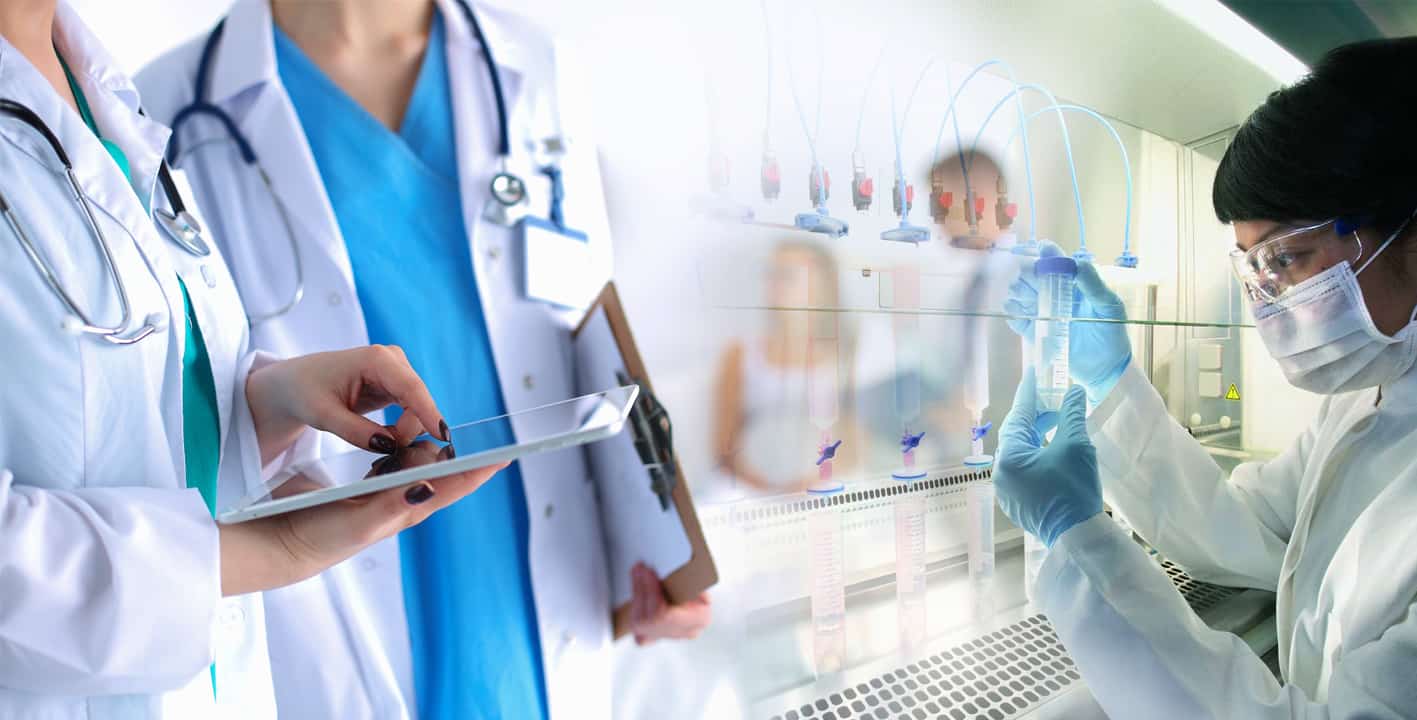
The delivery of modern healthcare has evolved into a highly sophisticated, data-driven, and multi-disciplinary enterprise. While medical science continues to make remarkable breakthroughs in genomics, pharmacology, robotic surgery, and diagnostic imaging, the effective translation of these advancements into daily patient care depends entirely on trained medical professionals. Physicians, nurses, physician assistants, pharmacists, and allied health specialists form the operational backbone of global health systems.
In today’s complex clinical ecosystem, the role of healthcare providers extends far beyond traditional disease diagnosis and treatment. Medical professionals serve as clinical decision-makers, patient advocates, health educators, technology integration specialists, and leaders in preventive medicine. Examining how different clinical roles function together clarifies why skilled healthcare workers remain indispensable in an increasingly automated medical landscape.
Diagnosing, Treating, and Managing Complex Health Conditions
At its fundamental core, the primary responsibility of clinical healthcare providers is diagnosing acute and chronic medical conditions, formulating evidence-based treatment plans, and restoring patient health. Physicians undergo years of rigorous academic education and clinical residency training to master human anatomy, pathophysiology, and clinical pharmacology. This deep scientific foundation allows them to evaluate complex symptoms, interpret diagnostic tests, and make critical medical decisions under intense pressure.
However, modern disease management rarely involves isolated medical intervention. Chronic conditions such as cardiovascular disease, type 2 diabetes, autoimmune disorders, and cancer require long-term, coordinated care management. Medical professionals design continuous treatment protocols that balance pharmaceutical therapies, surgical procedures, lifestyle modifications, and ongoing monitoring to slow disease progression and maintain patient quality of life.
The Essential Impact of Interprofessional Healthcare Teams
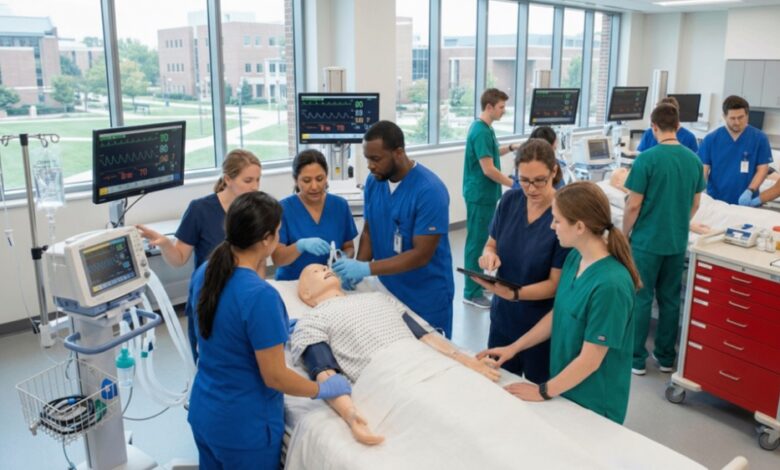
Modern healthcare has transitioned away from the historical model of the solitary physician making independent decisions in isolation. Today, patient care is delivered through interprofessional collaborative teams where specialized healthcare professionals contribute distinct clinical capabilities.
-
Attending and Specialist Physicians: Lead diagnostic evaluations, perform complex surgical procedures, prescribe specialized therapies, and oversee overarching medical management strategies.
-
Registered Nurses and Advanced Practice Registered Nurses: Provide continuous direct patient care, administer medications, monitor real-time physiological status, manage bedside comfort, and serve as the primary link between patients and physicians.
-
Physician Assistants: Conduct physical examinations, diagnose common illnesses, order diagnostic tests, and assist in surgical settings, expanding clinical capacity across hospitals and outpatient clinics.
-
Clinical Pharmacists: Evaluate medication regimens for drug interactions, adjust pharmaceutical dosages based on organ function, and educate patients on proper prescription adherence.
-
Allied Health Professionals: Physical therapists, occupational therapists, respiratory therapists, and speech-language pathologists deliver targeted rehabilitation that restores physical function and independent living capabilities.
Collaborative teamwork minimizes clinical oversights, accelerates treatment timelines, and lowers medical error rates across both inpatient and outpatient settings.
Navigating Advanced Health Technology and Digital Health Integration
The integration of advanced digital technology has fundamentally altered the daily responsibilities of modern medical professionals. From electronic health records and telehealth platforms to artificial intelligence diagnostic tools, clinicians must balance technical proficiency with human empathy.
While artificial intelligence algorithms can analyze medical imaging scans rapidly or flag prospective drug interactions, technology cannot replace human clinical judgment. Medical professionals synthesize data inputs alongside subtle physical symptoms, medical history nuances, and personal patient preferences to make ethical, individualized care decisions. Technology functions as a powerful tool that enhances human expertise rather than replacing it.
Patient Advocacy, Health Literacy, and Preventive Medicine
Beyond technical clinical skills, medical professionals play a vital role as health educators and patient advocates. Navigating modern healthcare systems can be intimidating and confusing for patients facing complex medical diagnoses. Clinicians bridge this gap by translating dense medical jargon into clear, actionable health information that empowers patients to participate actively in their health decisions.
Furthermore, healthcare providers sit at the front lines of preventive medicine. Recognizing that preventing illness is far more effective and less costly than treating advanced disease, medical professionals emphasize routine health screenings, immunization protocols, nutritional counseling, and lifestyle interventions. By identifying risk factors early and guiding lifestyle modifications, clinicians help reduce the long-term burden of chronic disease across communities.
Addressing Structural Challenges in the Modern Healthcare System
Despite their vital contributions, medical professionals face significant operational and systemic challenges that impact care delivery. High administrative burdens, electronic documentation requirements, long working hours, and systemic staffing shortages contribute to high rates of clinician burnout across the industry.
Addressing these structural challenges requires healthcare organizations to streamline administrative workflows, invest in mental health support for staff, optimize nurse-to-patient ratios, and deploy intuitive technology that reduces documentation burdens. Protecting the well-being of healthcare providers is directly tied to maintaining high standards of patient safety and clinical care quality.
As healthcare continues to evolve through technological innovation and changing population demographics, the human core of medical practice remains irreplaceable. Through clinical expertise, empathetic communication, and collaborative care delivery, medical professionals continue to drive health outcomes and preserve human life.
Frequently Asked Questions (FAQ)
What is the difference between a Physician Assistant and a Nurse Practitioner?
While both are advanced practice clinicians who can diagnose conditions, order tests, and prescribe medications, their training models differ. Physician Assistants train under a medical model focused on disease diagnosis and surgical intervention. Nurse Practitioners train under a nursing model emphasizing holistic patient care, disease prevention, and health management.
How does interprofessional collaboration improve patient safety?
Interprofessional collaboration improves patient safety by creating multiple layers of clinical oversight. When physicians, nurses, pharmacists, and therapists review a patient case together, they catch prospective medication errors, identify conflicting treatment orders early, and address subtle changes in a patient condition quickly.
What role do pharmacists play beyond dispensing prescriptions?
Clinical pharmacists review complete patient medication profiles to prevent dangerous drug interactions, adjust drug dosages for patients with kidney or liver impairment, advise physicians on specialized pharmaceutical choices, and counsel patients on proper administration techniques and side-effect management.
How has telemedicine changed the role of medical professionals?
Telemedicine has expanded the geographical reach of medical professionals, allowing them to provide timely consultations, monitor chronic conditions, and deliver mental health therapy to patients in rural or underserved areas without requiring in-person travel.
What is clinician burnout and why is it a concern for patient care?
Clinician burnout is a state of emotional, physical, and mental exhaustion caused by chronic workplace stress, long hours, and heavy administrative burdens. It is a major concern because burnout leads to increased medical errors, higher staff turnover, and reduced patient satisfaction across healthcare facilities.
How do medical professionals stay current with rapidly changing medical science?
Medical professionals are required to complete ongoing Continuing Medical Education hours to maintain their clinical licenses and board certifications. They attend medical conferences, review peer-reviewed scientific journals, participate in clinical training workshops, and follow updated professional society guidelines.
What is the difference between primary care and specialty care medical professionals?
Primary care professionals, such as family physicians, general internists, and pediatricians, manage overall patient health, conduct routine checkups, treat common acute illnesses, and coordinate preventive care. Specialty care professionals, such as cardiologists, oncologists, or orthopedic surgeons, focus deeply on specific organ systems, medical conditions, or complex surgical interventions.