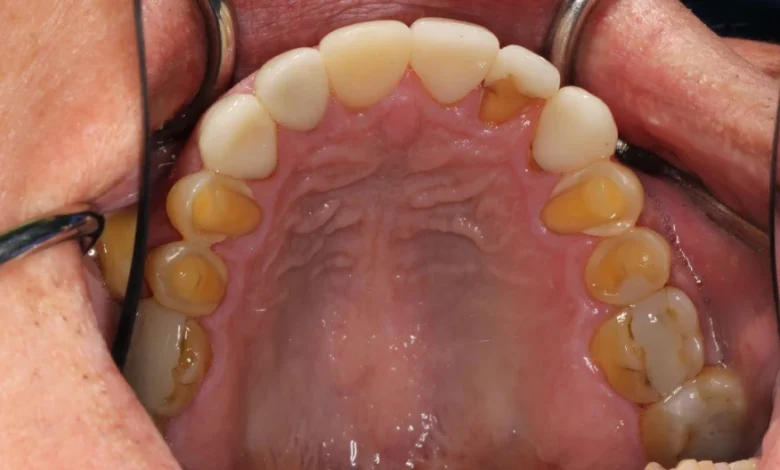
Maintaining optimal oral health is an essential component of overall physical wellness, yet millions of individuals experience dental issues at some point in their lives. Oral health conditions can range from mild cosmetic concerns to severe bacterial infections that cause significant pain and structural damage. When left untreated, minor dental trouble often escalates into complex clinical challenges requiring extensive restorative procedures.
Understanding the underlying causes of common dental conditions empowers individuals to recognize early warning signs and seek timely professional care. Modern dentistry offers a comprehensive range of preventive, restorative, and surgical treatments designed to preserve natural tooth structure, restore oral function, and eliminate infection. Examining the most prevalent dental conditions alongside their corresponding clinical treatments illustrates how dental professionals safeguard oral health.
Tooth Decay and Dental Cavities
Tooth decay, clinically known as dental caries, remains one of the most widespread chronic conditions globally. Decay develops when oral bacteria consume sugars and carbohydrates from food remnants, producing acidic byproducts. These acids gradually dissolve the protective outer layer of enamel, creating localized structural breakdown known as a cavity.
In its earliest stages, enamel demineralization can often be reversed through professional topical fluoride applications and improved daily hygiene routines. Once a structural cavity forms, mechanical intervention becomes necessary to stop the spread of decay.
-
Composite Dental Fillings: For mild to moderate decay, dentists gently remove infected tooth structure using precision instruments. The resulting space is cleaned, sanitized, and filled with tooth-colored composite resin, which bonds directly to the enamel and restores natural appearance and function.
-
Inlays and Onlays: When decay affects a larger portion of a tooth but leaves the cusps intact, custom-produced porcelain or composite inlays and onlays are bonded in place to offer durable reinforcement.
-
Dental Crowns: When decay extensively damages a tooth, a full-coverage dental crown is placed over the remaining prepared tooth structure, capping it to restore strength and prevent structural fracture.
Preventing tooth decay requires daily brushing with fluoridated toothpaste, routine flossing, and regular professional dental cleanings.
Periodontal Disease and Gum Inflammation
Periodontal disease is a chronic inflammatory condition caused by bacterial plaque accumulation along the gumline. If plaque is not removed regularly through daily oral hygiene, it hardens into calculus, also known as tartar, which can only be removed using specialized professional tools.
The initial stage of gum disease is gingivitis, characterized by red, swollen gums that bleed easily during brushing or flossing. Gingivitis is fully reversible with professional cleanings and improved home care. However, untreated gingivitis progresses into periodontitis, where bacterial infection destroys the underlying periodontal ligament and supporting alveolar bone, leading to tissue recession, loose teeth, and potential tooth loss.
To halt periodontitis progression, dentists perform scaling and root planing, commonly called a deep cleaning. Dental hygienists use ultrasonic instruments and manual scalers to meticulously remove tartar deposits above and below the gumline while smoothing root surfaces to discourage bacterial reattachment. In advanced cases, periodontists perform surgical procedures, such as pocket reduction surgery or bone grafting, to restore damaged supporting structures.
Tooth Infections and Endodontic Therapy
When dental decay, trauma, or cracks penetrate deep through enamel and dentin into the innermost pulp chamber, bacterial infection sets in. The dental pulp contains living nerve tissue and blood vessels. Infection in this enclosed space causes intense inflammation, severe throbbing pain, sensitivity to hot and cold temperatures, swelling in surrounding tissues, and localized abscess formation.
A tooth with an infected pulp cannot heal on its own. Historically, extraction was the only solution. Today, dentists save infected teeth using root canal therapy.
During root canal therapy, the dentist creates a small entry access hole in the tooth crown, carefully cleans out infected pulp tissue, disinfects internal root canals, and shapes them using delicate files. The hollow root canals are then sealed with a biocompatible material called gutta-percha to prevent future bacterial reinfection. Finally, a protective dental crown is fitted over the tooth to restore full biting function and structural strength.
Cracked, Chipped, or Fractured Teeth
Teeth are built to withstand heavy chewing forces, but they are not indestructible. Physical impact from sports injuries, accidental biting on hard objects, facial trauma, or chronic teeth grinding can cause chips, cracks, or complete tooth fractures.
The clinical approach to treating damaged teeth depends entirely on the location and depth of the fracture line:
| Damage Severity | Typical Clinical Presentation | Recommended Treatment Strategy |
| Minor Chip | Superficial enamel loss without nerve exposure | Cosmetic dental bonding or smoothing rough edges |
| Moderate Crack | Fracture line extending through enamel into dentin | Full-coverage dental crown to bind the tooth together |
| Severe Fracture | Deep split extending below the gumline into root structure | Tooth extraction followed by a dental implant or bridge |
Catching cracked teeth early is essential, as untreated hairline fractures allow bacteria to enter internal pulp chambers, triggering deep infections.
Tooth Sensitivity and Enamel Erosion
Dental hypersensitivity presents as sharp, sudden discomfort triggered by hot, cold, sweet, or acidic foods and drinks, as well as cold air contact. Sensitivity occurs when protective enamel thins or when gum tissue recedes, exposing the underlying dentin layer. Dentin contains thousands of microscopic fluid-filled tubules that lead directly to the tooth nerve center.
Enamel erosion can stem from frequent consumption of acidic beverages, aggressive toothbrushing habits using hard bristles, or gastroesophageal reflux conditions. Gum recession can also expose sensitive root dentin that lacks enamel protection.
Dentists address tooth sensitivity using several targeted strategies. For mild cases, applying specialized desensitizing pastes containing potassium nitrate or stannous fluoride blocks nerve impulse transmission. In office treatments include professional fluoride varnishes and dentin bonding sealants. When sensitivity is linked to localized gum recession, gum grafting procedures can cover exposed root surfaces and permanently restore tissue coverage.
Impacted Wisdom Teeth and Malocclusion
Wisdom teeth, or third molars, are the final set of teeth to emerge, typically appearing between ages seventeen and twenty-five. Due to evolutionary changes in human jaw sizes, many individuals lack sufficient arch space to accommodate these extra molars. Consequently, wisdom teeth frequently become impacted, meaning they remain trapped beneath gum tissue or grow at abnormal angles against adjacent teeth.
Impacted wisdom teeth can trigger painful gum infections, damage neighboring second molars, foster cyst formation within jawbones, and make daily cleaning nearly impossible. Dentists evaluate wisdom tooth positioning using panoramic digital radiographs and routinely recommend surgical extraction when impaction threatens overall oral health.
Similarly, general malocclusion, including crowded, misaligned, or crooked teeth, creates tight spaces that trap plaque and hinder cleaning. Dentists and orthodontists correct structural alignment issues using traditional metal braces, ceramic brackets, or clear aligner systems, improving both facial aesthetics and long-term oral hygiene access.
Through routine dental visits, proactive home maintenance, and prompt professional care, individuals can prevent major oral health complications and maintain a healthy, functional smile for life.
Frequently Asked Questions (FAQ)
How often should I schedule routine dental checkups and cleanings?
Most dental organizations recommend scheduling a professional dental exam and cleaning every six months. However, individuals with active periodontal disease, a history of frequent cavities, or compromised immune systems may require more frequent visits every three to four months to maintain optimal health.
What is the difference between a routine cleaning and a deep cleaning?
A routine cleaning, or prophylaxis, focuses on removing surface plaque and calculus above the gumline in healthy mouths. A deep cleaning, or scaling and root planing, is a therapeutic treatment designed to treat active gum disease by removing bacterial buildup deep beneath the gumline along root surfaces.
Is root canal therapy painful?
With modern local anesthetics and advanced dental techniques, root canal therapy is no more uncomfortable than receiving a standard dental filling. The procedure is designed to relieve severe toothache pain caused by internal pulp inflammation rather than cause it.
Can a cavity heal on its own without a dental filling?
Once a physical cavity has formed through the enamel layer, it cannot self-heal or regenerate naturally and requires professional restoration. However, very early enamel demineralization before a physical hole forms can sometimes be re-mineralized using high-concentration professional fluoride treatments.
How can I prevent my teeth from chipping or cracking?
You can protect your teeth from structural damage by avoiding chewing on hard items like ice, unpopped popcorn kernels, or hard candy. Additionally, wear a custom-fitted sports mouthguard during athletic activities and use a nightguard if you suffer from involuntary nocturnal teeth grinding.
Are silver amalgam fillings safe, or should I choose composite resin?
Dental amalgam has been thoroughly evaluated and deemed safe for use by major global health organizations. However, tooth-colored composite resin fillings offer significant advantages beyond aesthetics, as they bond directly to natural tooth structure, allowing dentists to preserve more natural enamel during preparation.
Why do my gums bleed when I brush or floss my teeth?
Bleeding gums are typically an early sign of gingivitis caused by plaque accumulation along the gumline. While it may seem counterintuitive, you should continue brushing and flossing gently while scheduling a professional dental cleaning to eliminate the underlying bacterial buildup causing the inflammation.


