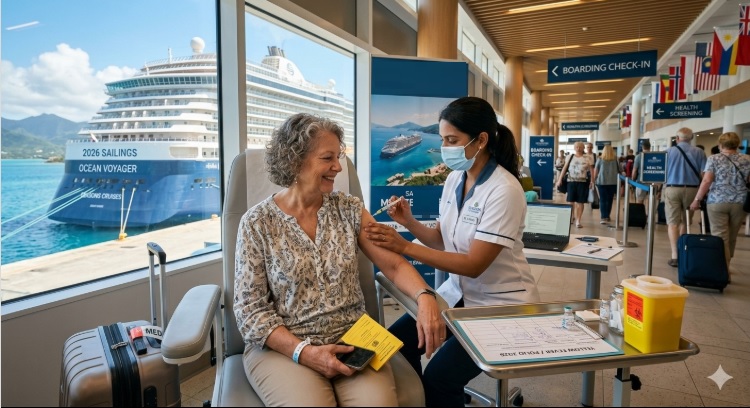
Cruise vacations are a popular way to explore multiple destinations while enjoying the comfort and convenience of a floating resort. However, traveling across different regions and interacting with large groups of people can increase the risk of exposure to infectious diseases. This is why health experts often recommend travel vaccinations before embarking on a cruise.
Cruise ships bring together passengers from many countries, creating an environment where viruses and bacteria can spread quickly if proper precautions are not taken. In addition, many cruise itineraries include stops at international ports where certain diseases may be more common. Receiving the appropriate travel vaccines helps travelers reduce their risk of illness and enjoy their trip with greater peace of mind.
Common Health Risks During Cruise Travel
Cruise travelers may encounter several health risks depending on the destinations included in their itinerary. Crowded environments such as dining areas, entertainment venues, and shared recreational spaces can facilitate the spread of respiratory or gastrointestinal infections.
In addition, visiting tropical or developing regions may expose travelers to diseases that are uncommon in their home countries. Local food, water sources, and environmental conditions can also introduce unfamiliar pathogens.
Because of these factors, many healthcare providers recommend reviewing your vaccination status before travel. Ensuring that routine immunizations are up to date and considering recommended travel vaccines can help protect against illnesses that may disrupt a vacation.
Recommended Vaccines for Cruise Travelers
Several vaccines are commonly recommended for individuals planning a cruise, especially if their itinerary includes international destinations. One of the most important vaccines is the influenza vaccine, which helps prevent seasonal flu outbreaks in crowded settings.
Hepatitis A vaccination is also often recommended because the virus can spread through contaminated food or water in some regions. Typhoid vaccination may be advised for travelers visiting areas where sanitation conditions are limited.
In certain situations, healthcare providers may recommend additional travel vaccines depending on the countries being visited. For example, vaccines for yellow fever or Japanese encephalitis may be required for travel to specific regions.
Travelers should consult a healthcare professional several weeks before departure to determine which vaccines are appropriate for their specific itinerary.
The Importance of Routine Immunizations
While specialized vaccines are important, routine immunizations should not be overlooked when preparing for a cruise. Vaccines such as measles, mumps, rubella (MMR), tetanus, and diphtheria remain essential for maintaining general health protection.
In recent years, outbreaks of measles have occurred in various parts of the world, making it important for travelers to confirm that their routine immunizations are up to date. Children and adults who lack immunity may be at risk when visiting countries with lower vaccination coverage.
Updating routine vaccines, along with recommended travel vaccines, ensures that travelers are protected against both common and destination-specific illnesses.
When to Get Vaccinated Before a Cruise
Timing is an important factor when planning vaccinations for travel. Most healthcare providers recommend scheduling a consultation at least four to eight weeks before departure.
This timeframe allows enough time for vaccines to become fully effective and ensures that any required booster doses can be completed. Some vaccines require multiple doses spaced over several weeks, so early planning is essential.
During a travel health consultation, a doctor will review the cruise itinerary, medical history, and vaccination records to recommend appropriate travel vaccines. They may also provide advice on additional preventive measures such as food safety, insect protection, and general travel hygiene.
Additional Health Precautions on Cruise Ships
Vaccination is an important step, but it should be combined with other preventive practices to reduce health risks during a cruise. Maintaining good hygiene is one of the most effective ways to prevent illness while traveling.
Frequent handwashing, especially before meals and after using shared facilities, helps reduce the spread of germs. Using hand sanitizers and avoiding contact with individuals who appear ill can also lower the risk of infection.
Travelers should also stay hydrated, eat food from reputable sources, and follow any health guidelines provided by cruise staff. While travel vaccines provide valuable protection, combining them with good hygiene habits offers the best defense against illness during a cruise.
Preparing for a Healthy and Enjoyable Journey
Planning ahead is key to ensuring a smooth and enjoyable cruise experience. Scheduling a pre-travel health consultation allows travelers to review their medical history, update immunizations, and receive personalized advice for their trip.
Healthcare providers can also discuss destination-specific health risks and recommend preventive strategies beyond vaccination. This preparation helps travelers feel more confident and prepared for international travel.
By receiving recommended travel vaccines and practicing healthy travel habits, cruise passengers can significantly reduce their risk of illness while exploring new destinations.
Conclusion
Cruise vacations offer a unique opportunity to visit multiple destinations while enjoying a comfortable travel experience. However, the combination of international travel and close contact with other passengers can increase the risk of exposure to infectious diseases.
Receiving the appropriate travel vaccines before departure is an important step in protecting your health during the journey. Along with maintaining routine immunizations and following basic hygiene practices, vaccination helps ensure a safer and more enjoyable cruise experience.
With proper preparation and preventive care, travelers can focus on exploring new destinations, relaxing onboard, and making lasting memories without unnecessary health concerns.